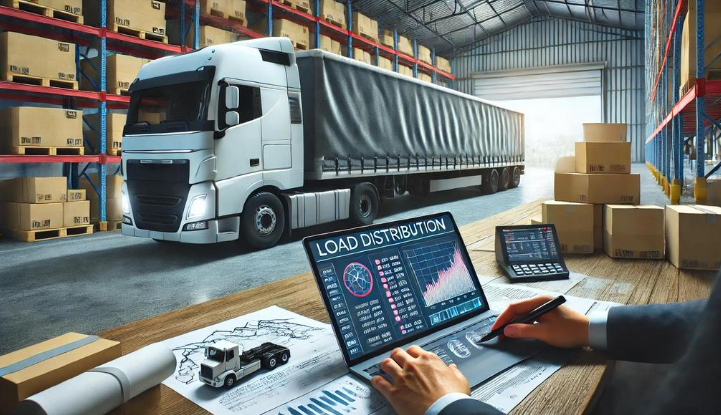
Lawmakers are weighing rules that would let trucks carry more weight on highways. You deserve to know what that means for your daily drive, your family, and your community. Heavier truck loads can change how crashes happen, how fast vehicles stop, and how much damage roads and bridges take. You might see more large trucks on routes near schools, homes, and hospitals. You might also face longer traffic delays after wrecks and more pressure on emergency crews. This blog explains what these proposals could mean for safety, cost, and stress on the road. It breaks down how weight limits work, what might change, and who carries the risk when limits rise. It gives you clear facts so you can decide where you stand and how to speak up.
How Truck Weight Limits Work Today
Right now, federal law usually caps large trucks at 80,000 pounds on interstate highways. States can set some rules on other roads. They can also issue special permits in some cases.
Weight is not just one number. It includes
- Total weight of the truck, trailer, and cargo
- Weight spread over each axle
- Distance between axles
These limits try to balance three things
- Safety for drivers, passengers, and people walking or biking
- Wear and tear on roads and bridges
- Needs of farms, factories, and stores that rely on freight
The Federal Highway Administration explains how weight rules connect to bridge safety and road damage in its truck size and weight guidance. You can read more from the U.S. Department of Transportation at https://ops.fhwa.dot.gov/freight/sw/index.htm.
What Proposed Changes Could Do
Proposals differ. Some would raise the total allowed weight. Others would allow more weight if trucks add axles. Some would change only certain routes or certain types of loads.
Supporters say heavier trucks could
- Cut the number of trips by moving more cargo at once
- Lower costs for shippers and stores
- Ease pressure on trucking companies facing driver shortages
Opponents say heavier trucks could
- Raise the chance and severity of crashes
- Increase road and bridge damage and shift costs to taxpayers
- Heighten risk for school buses, family cars, and motorcyclists
You live with the outcome. You share the road. You pay for repairs. So you deserve a clear picture of the tradeoffs.
Weight, Stopping Distance, and Crash Risk
Weight changes how a truck behaves in traffic. More weight means more force in a crash. It also means longer stopping distance and more strain on brakes and tires.
Here is a simple comparison that uses rounded numbers for a dry road and good brakes. It shows how more weight can affect stopping distance at highway speeds.
| Truck weight | Speed | Estimated stopping distance | What it means for you |
|---|---|---|---|
| 80,000 pounds | 65 mph | About 525 feet | Almost two football fields to come to a full stop |
| 97,000 pounds | 65 mph | About 600 feet or more | Extra car lengths where a child crossing or a stalled car is at risk |
These numbers are estimates. Wet roads, worn tires, and driver fatigue can stretch them further. Heavier trucks leave even less room for error when traffic stops suddenly or weather changes fast.
See also: How Business Accounting Firms Simplify Payroll Management
Impact on Roads, Bridges, and Your Wallet
Roads and bridges were built for certain loads. When trucks go beyond those loads, damage grows fast. Engineers have long used a rule of thumb. A truck that is twice as heavy does much more than twice the damage.
That damage shows up as
- Ruts where water collects and tires lose grip
- Cracks that grow into potholes
- Hidden stress in bridge beams and supports
Over time, this leads to more frequent repairs and closures. You see more work zones. You hit more bumps. You sit in more slow traffic. You also pay for repairs through fuel taxes, tolls, and other fees.
The American Society of Civil Engineers has raised concern about the cost of heavier trucks on bridges in its infrastructure report cards. Many state departments of transportation share similar warnings. When weight rules change, long term maintenance bills often rise.
What Heavier Trucks Mean for Families
Weight limits can feel distant until you think about where you drive each day. Many freight routes pass by
- Schools and child care centers
- Neighborhoods and bus stops
- Parks, churches, and clinics
When a crash involves a much heavier truck, the outcome is often more severe. Cars absorb more force. Guardrails and barriers fail more often. Emergency crews face harder rescues. Families deal with longer closures and detours.
Heavier trucks also affect stress. Sharing a lane with a large truck on a curve or in heavy rain can feel tense. More weight can make trucks sway more on ramps and lean more in sharp turns. That can scare new drivers and older drivers who already feel on edge.
How Safety Rules Try to Keep Up
Safety rules can reduce some risk. These include
- Limits on driving hours
- Training standards for drivers
- Brake, tire, and light inspections
- Speed limits and lane restrictions
The Federal Motor Carrier Safety Administration provides data on truck crashes and safety rules at https://www.fmcsa.dot.gov/safety. That data shows that weight is one of many factors. Distraction, fatigue, speed, and poor maintenance also play a role.
When lawmakers consider heavier trucks, they sometimes suggest more inspections or stronger equipment. Those steps can help. They do not erase physics. More mass still means more energy in every crash.
Questions You Can Ask Lawmakers
You have the right to ask clear questions and expect clear answers. You can ask
- Which roads and bridges in your state would carry heavier trucks
- How much extra money is set aside for road and bridge repair
- How crash data will be tracked and shared with the public
- What protections exist for routes near schools and neighborhoods
- How local police and fire departments will handle wrecks
You can also ask what happens if the change does not work as promised. You can ask whether there is a plan to roll back higher limits if crashes or damage rise.
How You Can Stay Safer Around Large Trucks
You cannot control truck weight from the driver seat. You can control how you share the road. You can
- Leave extra space when you drive in front of a truck
- Avoid lingering beside a trailer where the driver may not see you
- Pass on the left and move ahead instead of sitting in blind spots
- Give trucks more room to turn at corners and ramps
- Teach teen drivers how long trucks need to stop
These habits matter now. They matter even more if lawmakers allow heavier loads.
Staying Informed and Speaking Up
Proposed weight changes often move through state legislatures or Congress quietly. Hearings may happen during workdays. Notices may appear in small print.
You can stay informed by
- Checking your state department of transportation website for freight or truck size updates
- Following city or county meeting agendas
- Signing up for email alerts from your state lawmakers
Your voice carries weight. You can share your story as a parent, a driver, a cyclist, or a bus rider. You can ask decision makers to put human safety first. You can remind them that every number on a page becomes real people on a road.