Understanding Balanced Learning
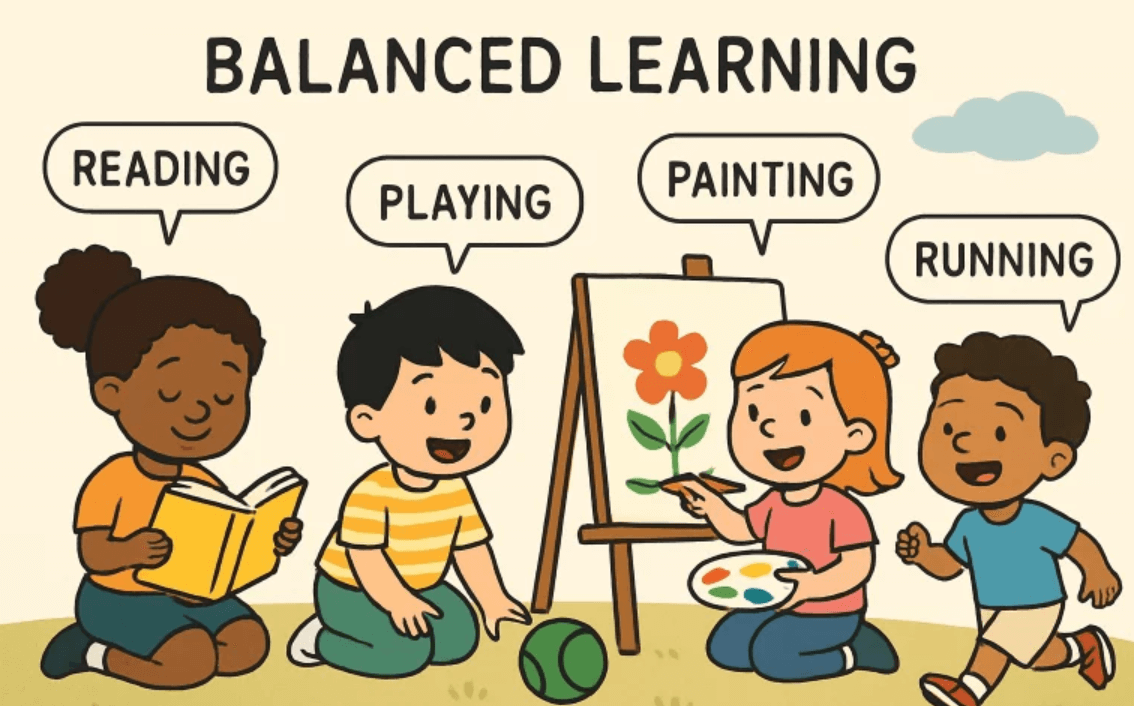
Balanced learning is a dynamic educational approach that combines academic concepts with essential social, emotional, and physical growth. Unlike traditional teaching methods, which often narrowly prioritize standardized test scores or rote memorization, balanced learning sees children as whole, multidimensional individuals. Esteemed institutions and innovative childcare providers, such as childcare programs Cypress, TX, model this holistic philosophy by integrating diverse experiences—learning through play, collaborative tasks, music, and physical activity—into daily routines. These approaches encourage children’s natural curiosity and nurture the perseverance necessary for tackling future challenges.
Central to balanced learning is recognizing that children’s cognitive development must be supported with their emotional well-being and physical health. This method facilitates academic achievement and lays the groundwork for essential life skills. For example, a child who learns to manage their emotions can better overcome setbacks, communicate with peers, and remain engaged with learning. Parents who seek a promising educational start find balanced learning to be a gateway to developing adaptable, well-rounded, and enthusiastic learners who approach formal schooling with excitement and confidence.
The Role of Early Education in Lifelong Success
Early education is crucial for developing skills and attitudes beyond the classroom years. Research shows that children with advanced language abilities and social-emotional skills perform better academically and have greater lifelong success. Emotional security, teamwork, and creative problem-solving skills are essential in today’s global society. Structured, enriching environments in balanced learning settings provide the foundation for academic and lifelong success.
See also: Benefits of Professional Engineered Hardwood Flooring Installation
Key Components of Balanced Learning
Academic excellence, social-emotional learning (SEL), physical development, creativity, and critical thinking are all essential aspects of a child’s development. Foundational language arts, mathematics, and science skills prepare children for advanced learning, while SEL helps them manage emotions, communicate, and establish relationships, fostering life satisfaction and resilience.
Academic Excellence
A strong academic foundation is at the heart of balanced learning, but it goes far beyond merely memorizing facts. High-quality instruction introduces children to language, numbers, and scientific ideas through play-based exploration and real-world problem-solving. Mastering essential academic skills enhances test scores and future classroom readiness and sparks a lifelong love of learning. By presenting lessons encouraging curiosity and inquiry, educators help students develop a growth mindset, which motivates them to embrace challenges and persist through difficulties—a perspective that benefits them well into adulthood.
Social-Emotional Learning
Social-emotional learning (SEL) forms the backbone of healthy interpersonal relationships and self-understanding. Children learn to identify their emotions, express them constructively, build self-esteem, and interact with empathy and respect. SEL supports children in navigating peer interactions and family life smoothly, setting the stage for successful teamwork, conflict resolution, and leadership in the future. Research has highlighted its importance, demonstrating that children with strong SEL skills perform better academically and are more likely to form supportive adult relationships, essential ingredients for lifelong resilience and happiness.
Physical Development
Active living is vital for children’s well-being and cognitive abilities. Participation in structured and unstructured physical activities—whether through sports, dance, or outdoor adventures—improves coordination, balance, and fine motor skills. It also helps burn off excess energy, reduce stress, and improve mood. Physical activity enhances children’s attention spans and classroom behavior, creating a reinforcing cycle where achievement in one area helps spark success in another. Encouraging activities like gardening, playground games, or yoga can promote lifelong habits essential for physical and emotional health.
Creativity and Critical Thinking
Balanced learning consistently nurtures imagination and curiosity. Activities ranging from drawing and building to storytelling and science experiments encourage children to ask questions and discover novel solutions. These opportunities to experiment and think independently are essential for developing critical thinking, a skill set that enables children to analyze information, assess options, and innovate. In an ever-changing world, the ability to adapt and invent new approaches is among the most valuable life skills, and it is fostered through experiences that challenge children creatively from an early age.
Benefits of Balanced Learning
- Holistic Development: Addressing cognitive, emotional, and physical development simultaneously leads to children who are intellectually lively, socially capable, and physically healthy. This comprehensive focus ensures children are prepared to meet life’s varied demands.
- Enhanced Adaptability: Exposure to a balanced mix of activities makes children more resilient and better able to embrace change, handle setbacks, and thrive in diverse environments.
- Improved Academic Performance: Studies confirm that integrating academics with SEL and physical activity contributes to higher achievement, better classroom behavior, and fewer disciplinary issues, resulting in a more positive and supportive school experience.
Implementing Balanced Learning at Home
Parents play a crucial role in a child’s development by encouraging play-based learning, promoting emotional intelligence, supporting physical activities, and fostering creativity. Encouraging activities that challenge motor skills, spatial reasoning, and creative thinking, discussing emotions openly, and incorporating physical activities into daily routines can help children develop healthy habits. Parents and caregivers are essential to a child’s growth, ensuring a continuous and meaningful learning journey.
Conclusion
Balanced learning is more than a trend or methodology—it’s a profound, evidence-based investment in every child’s future potential. By seamlessly integrating academic excellence, emotional growth, creative thinking, and physical activity, this approach shapes children into well-adapted, innovative, and compassionate individuals. Schools, educators, and families focusing on balance ensure that every child develops the skills, mindset, and well-being necessary for lifelong achievement. Working together, we can give our children knowledge and the tools for sustained curiosity, resilience, and success in a complex, dynamic world.