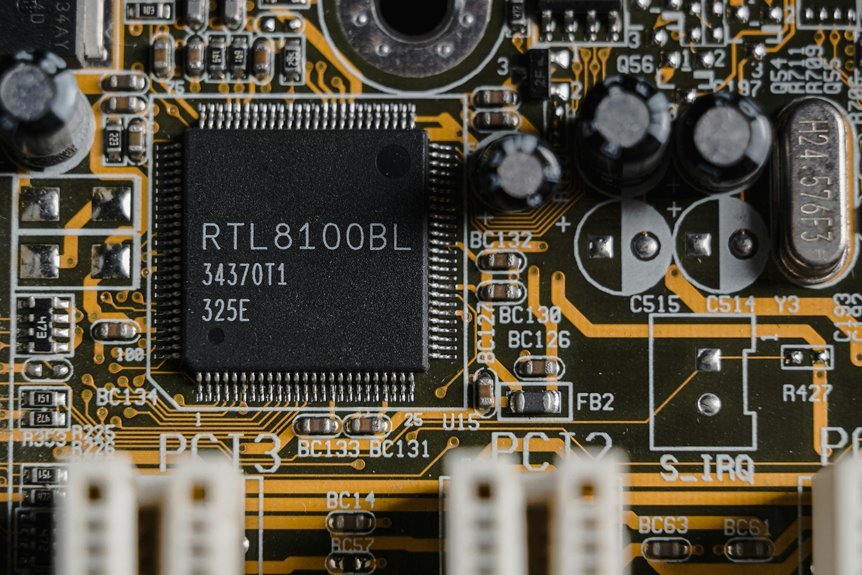
The Telecom Integrity Verification Diagnostic Layer, represented by the identifiers 3287613825, 3517120943, and others, plays a crucial role in maintaining data integrity within telecommunications systems. Its advanced algorithms and real-time monitoring capabilities allow providers to detect anomalies and enhance security measures. As you explore its key features and implications, you may find yourself questioning how this layer will shape future telecom operations. There’s much more to uncover about its impact on both providers and users.
Understanding the Telecom Integrity Verification Diagnostic Layer
The Telecom Integrity Verification Diagnostic Layer serves as a crucial component in ensuring the reliability and security of telecommunications systems.
It actively monitors data integrity, detecting anomalies that could compromise telecom security.
Key Features of the Diagnostic Layer
While evaluating the Telecom Integrity Verification Diagnostic Layer, you’ll discover several key features that enhance its effectiveness in safeguarding telecommunications.
These include advanced algorithms for ensuring data accuracy, real-time monitoring for system reliability, and customizable alerts that empower users.
Benefits for Telecom Providers and Users
Telecom Integrity Verification offers significant advantages for both providers and users, enhancing operational efficiency and user experience.
By ensuring robust data security, you can protect sensitive information, fostering user trust. This trust drives customer loyalty, while improved operational processes reduce costs and enhance service reliability.
Ultimately, these benefits empower providers to deliver superior services while users enjoy greater peace of mind.
Future Implications for the Telecom Industry
As the demand for seamless connectivity and secure communications continues to rise, telecom integrity verification will play a crucial role in shaping the industry’s future.
You’ll face regulatory challenges that necessitate robust verification systems, driving technology adoption.
Conclusion
In conclusion, the Telecom Integrity Verification Diagnostic Layer acts as a digital guardian, tirelessly monitoring data integrity and shielding against anomalies. By implementing this advanced system, you’re not just enhancing security; you’re building a fortress of trust and reliability for users. As telecom technology continues to evolve, this layer will be the cornerstone of operational efficiency, ensuring that service providers can effectively respond to challenges and foster lasting relationships with their customers.