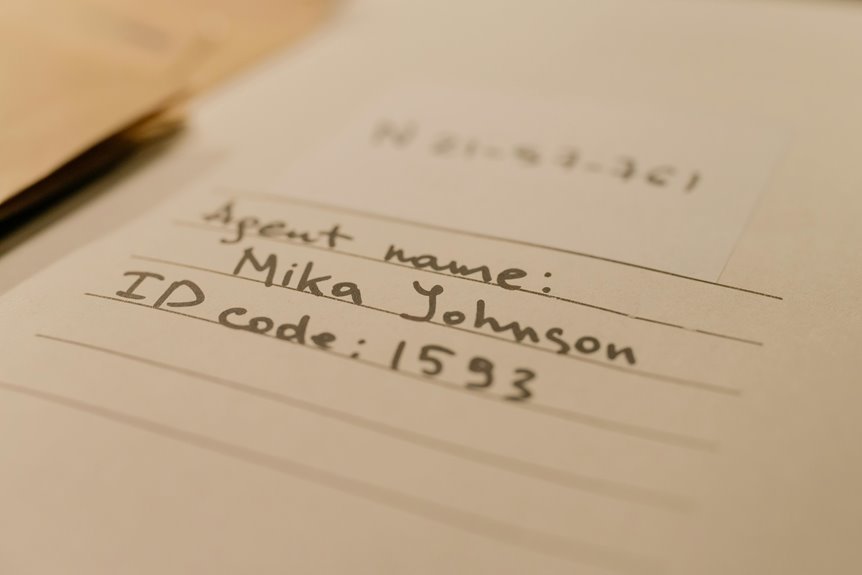
The management of professional numbers such as 960132709, 214138457, 120925301, 570010536, 8448738177, and 1372664720 is crucial for organizational integrity. These unique identifiers require meticulous tracking and regular audits to ensure compliance and accuracy. Challenges often arise in governance practices. Understanding these complexities can reveal the underlying mechanisms that safeguard sensitive information and foster transparency among stakeholders. What strategies can be employed to enhance accountability in this domain?
Importance of Unique Identifiers in Professional Settings
In professional settings, where accuracy and efficiency are paramount, the utilization of unique identifiers plays a crucial role in streamlining processes and enhancing data integrity.
Unique identification fosters professional integrity by ensuring that each entity is distinctly recognized, minimizing errors and confusion.
This systematic approach not only supports accountability but also empowers organizations to maintain robust records, ultimately promoting trust and transparency in operations.
Best Practices for Managing Professional Numbers
Effective management of professional numbers is essential for maintaining organizational efficiency and accuracy.
Implementing systematic number management protocols ensures data accuracy, which is critical for decision-making processes. Regular audits, standardized formats, and secure databases enhance the integrity of professional numbers.
Moreover, fostering a culture of accountability among staff promotes adherence to best practices, ultimately safeguarding the reliability of organizational data.
Challenges in Number Governance
Although organizations strive for optimal number governance, numerous challenges can undermine their efforts.
Issues related to data privacy often arise, complicating the establishment of effective governance frameworks. Inadequate policies can lead to non-compliance, while the complexity of evolving regulations presents further obstacles.
Additionally, the lack of standardized practices hinders consistency, ultimately affecting the integrity and security of professional number management.
Ensuring Compliance and Data Integrity
The complexities surrounding number governance necessitate a robust framework for ensuring compliance and data integrity.
This framework must prioritize data accuracy, enabling organizations to conduct thorough compliance audits.
Implementing systematic checks and balances will facilitate adherence to regulations while safeguarding the integrity of numerical records.
Ultimately, fostering an environment of transparency and accountability enhances trust among stakeholders, promoting greater operational freedom in data management.
Conclusion
In conclusion, the meticulous management of professional numbers like 960132709, 214138457, and others is not merely a procedural task; it is a crucial pillar of organizational integrity. As audits reveal vulnerabilities and compliance issues loom, organizations must remain vigilant. Will they rise to the challenge, fortifying their data governance frameworks to prevent potential breaches? The stakes are high, and the implications of failure could be profound, leaving stakeholders to ponder the fate of their sensitive information.