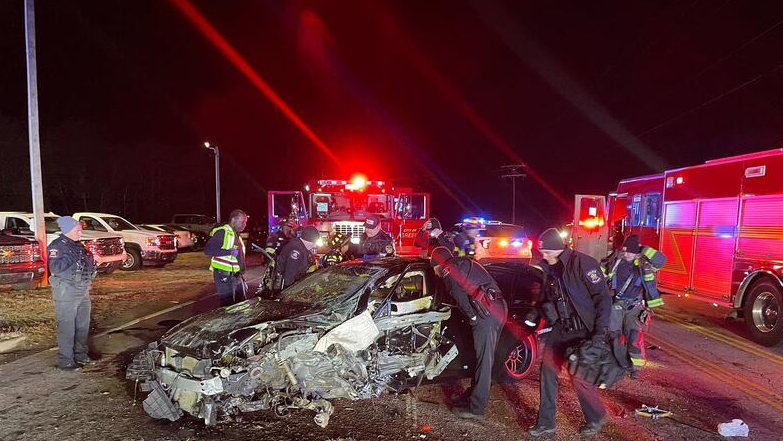
Every day, countless drivers hit the roads, unaware of the silent danger lurking behind the wheel. Drowsy driving is a major threat on South Carolina roads. It doesn’t announce itself with loud noises or flashing lights. Instead, it creeps in slowly, impairing your ability to react and make decisions. You might not feel the danger until it’s too late. Falling asleep at the wheel can lead to devastating consequences. Crashes happen. Lives change in an instant. It’s crucial to understand the risks and recognize the signs of fatigue. South Carolina sees this danger more often than you might think. Stay alert and stay safe. If you’ve been affected by drowsy driving, you deserve support and guidance.
Get help at chrishartlaw.com/west-columbia-personal-injury-lawyer/. Your safety and well-being matter. Recognize the signs. Take action. Protect yourself and others from this silent menace. Prioritize good sleep habits and keep our roads secure.
Understanding Drowsy Driving
Drowsy driving occurs when you’re too tired to drive safely. Fatigue impacts your concentration, attention, and reaction time. You might feel fine, but your body tells a different story. According to the Centers for Disease Control and Prevention (CDC), drivers falling asleep causes about 6,000 fatal crashes every year in the United States. Sleepiness affects everyone, but being aware of this risk could save lives.
Who Is Most At Risk?
Anyone can fall victim to drowsy driving. However, some groups are more at risk. These include:
- Shift workers driving home after long hours.
- Commercial drivers covering long distances.
- People with sleep disorders like sleep apnea.
- Drivers taking sedative medications.
- Teens and young adults with irregular sleep schedules.
Recognizing if you belong in these categories can help you take preventive measures.
Signs You Should Not Ignore
It’s hard to know when you’re too tired to drive. Look for these signs:
- Frequent yawning or blinking.
- Trouble keeping your head up.
- Difficulty remembering the last few miles driven.
- Missing exits or road signs.
- Drifting from your lane.
Experiencing these warns you to stop and rest.
Prevention Tips
Preventing drowsy driving starts with good habits. Follow these tips:
- Get at least seven hours of sleep each night. For more information on recommended sleep duration, visit the CDC’s sleep guidelines.
- Avoid heavy meals or alcohol before driving.
- Take breaks every two hours during long trips.
- Share driving responsibilities on road trips.
- Pull over for a short nap if you feel sleepy.
See also: Best DWI Lawyer : How to Find the Best DWI Lawyer for Your Case
Comparing Drowsy Driving and Drunk Driving
To highlight the seriousness of drowsy driving, compare it with drunk driving:
| Factor | Drowsy Driving | Drunk Driving |
|---|---|---|
| Reaction Time | Significantly reduced | Significantly reduced |
| Judgment Impairment | High | High |
| Public Awareness | Low | High |
| Legal Consequences | Less severe | Severe |
| Annual Fatalities | 6,000 (estimated) | 10,000 |
Both are dangerous and preventable. Awareness and responsible actions are crucial.
Take Action
If you experience a near-miss or crash due to drowsy driving, seek help. Talk to your doctor about sleep issues. Use resources like the National Highway Traffic Safety Administration (NHTSA) for more information on staying safe. Remember, drowsy driving is preventable. Stay informed. Take steps to ensure you and others remain safe on the roads.