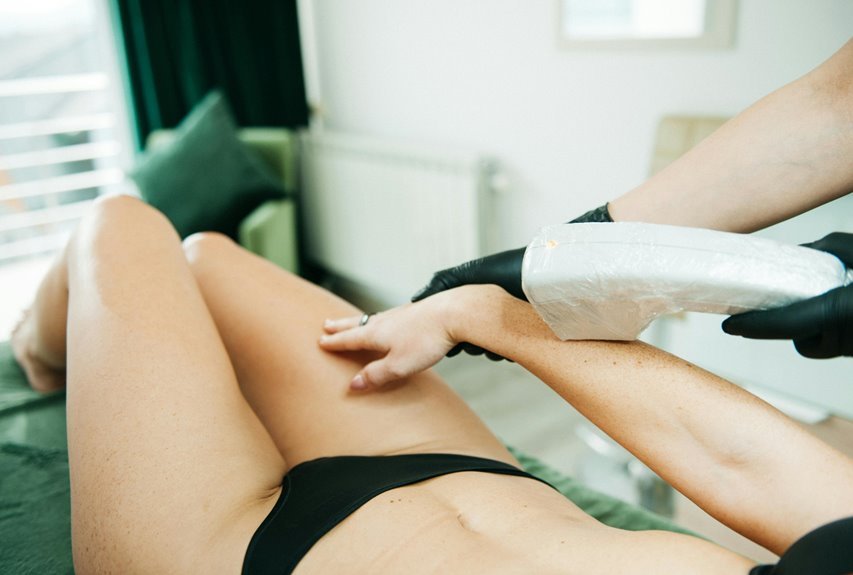
After undergoing the first session of laser hair removal, the skin may exhibit various reactions. Proper post-treatment care is essential to enhance recovery and achieve desired results. Moisturizing and sun protection are key components of effective skin management. Understanding what to avoid and recognizing when to consult a professional can further ensure optimal outcomes. This discussion will outline critical practices and precautions that should be taken to promote skin health during the recovery process.
Understanding Your Skin's Reaction to Laser Hair Removal
While many individuals seek the benefits of laser hair removal for its efficiency and long-lasting results, it is crucial to understand how their skin may react to the procedure.
Skin sensitivity can vary significantly among individuals, influencing their experience with laser effects.
Awareness of potential reactions allows individuals to prepare adequately, ensuring a more comfortable journey toward achieving the freedom from unwanted hair.
Essential Post-Treatment Skin Care Practices
After undergoing laser hair removal, following essential post-treatment skin care practices is vital for optimal healing and results.
Implementing consistent moisturizing routines helps maintain skin hydration, reducing irritation and promoting recovery.
Additionally, sun protection is crucial; applying a broad-spectrum sunscreen safeguards the treated area from harmful UV rays, preventing pigmentation changes and ensuring the best possible outcome from the procedure.
What to Avoid After Your First Session
Many individuals may not realize the importance of avoiding certain activities and products following their first laser hair removal session.
To promote optimal healing, it is crucial to steer clear of sun exposure, as UV rays can irritate the skin.
Additionally, avoiding harsh products, such as exfoliants and strong fragrances, will help prevent adverse reactions and support a smooth recovery process.
When to Seek Professional Advice
Following the initial laser hair removal session, individuals may experience varying degrees of skin sensitivity and irritation.
It is essential to seek professional advice if skin irritation persists beyond a few days or if unusual symptoms arise, such as swelling or blistering.
Early intervention can prevent potential treatment complications and ensure optimal recovery, allowing individuals to maintain their freedom to enjoy smooth skin confidently.
Conclusion
In conclusion, the skin's reaction to laser hair removal can vary significantly among individuals, prompting the belief that tailored aftercare is essential for optimal results. While some may experience minimal irritation, others might face heightened sensitivity, necessitating a customized approach to recovery. Adhering to recommended skincare practices not only supports healing but also enhances the effectiveness of the treatment. Ultimately, understanding and respecting one's unique skin response is key to achieving the desired outcome from laser hair removal.